


















Case studies and proof

What to put in a case study of a real job

The parts of a case study people actually read, which jobs to write up first, what to ask the client and how to use the finished story across your website, Google and quotes.

Illustrated
  1. Headline and client type The job in one line, and who it was for
  2. What they needed The brief, the site and what made it hard
  3. What we did Scope, crew, plant and how long it took
  4. Photos and footage The finished work, and the work in progress
  5. The result What changed for the client, in their terms
  6. In their words One line from the client, with permission
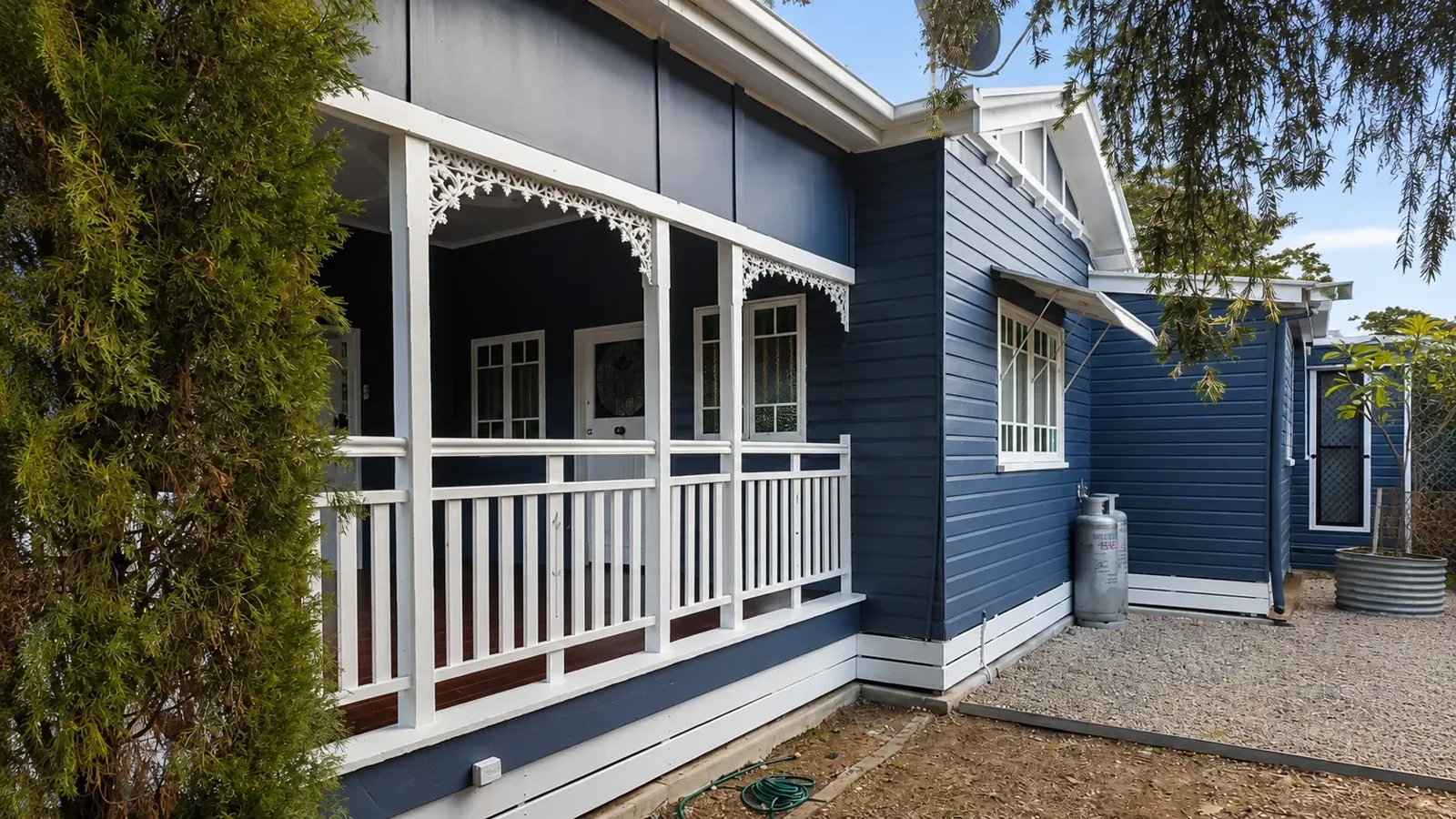
A case study, part by part. A case study of a real job, drawn in outline, with each part labelled by what a reader wants to find in it.

Why case studies matter

Most people have made much of their decision before they enquire. In 6sense's 2025 study, business buyers made first contact 61 per cent of the way through the buying process. Until then, the only evidence they have of your work is what you have published. A case study is that evidence: a real job, shown clearly, that a stranger can check.

Google values the same thing. Its guidance on helpful, people-first content asks whether a page shows first-hand experience. A written-up job is first-hand experience by definition.

What to put in it

The diagram on this page shows the parts a buyer looks for.

  • Headline and client type. The job in one line: "Switchboard upgrade for a regional grain handler".
  • What they needed. The brief in the client's terms, and what made it hard: the site, the timing, the access.
  • What you did. The scope, the crew and plant, and how long it took.
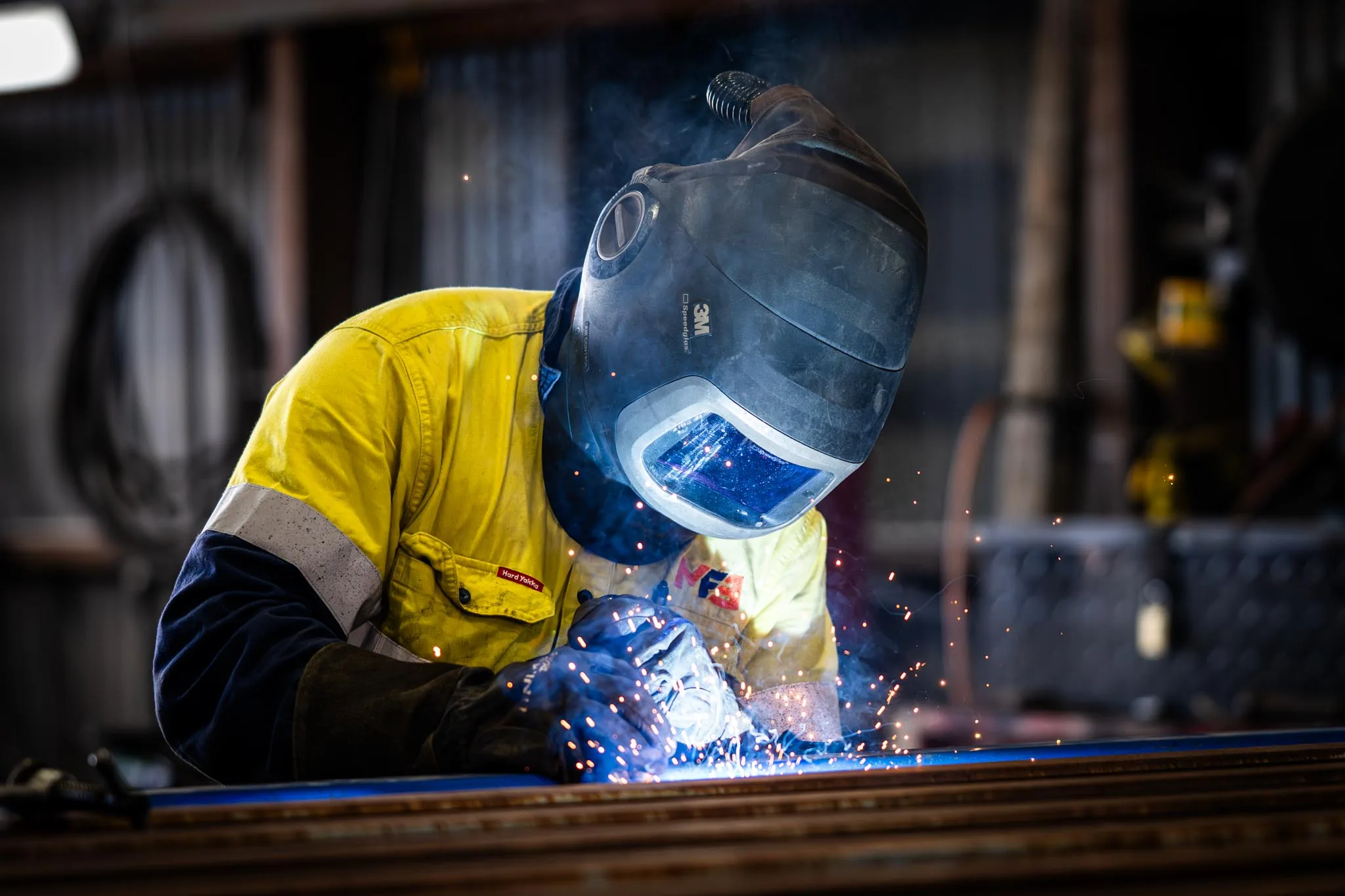
  • **Photos and footage.** The finished work, plus a few shots of the job in progress.
  • The result. What changed for the client: finished before harvest, open on time, no disruption to the operation.
  • In their words. One line from the client, with their permission.

Keep it short. Four to six short paragraphs and a set of good photos is enough.

Which jobs to write up first

Write up the work you most want to be known for. It is common to feature a favourite job, or the biggest, when the next goal is different. If you want more commercial work, lead with commercial jobs. A charity or chamber can do the same with a program, an appeal or an event. Three good case studies of the right kind do more than ten of the wrong kind.

What to ask the client

A short conversation at the end of the job gives you most of what you need. What did you need, and why? What worried you before we started? How did it go? What has changed since? Would you be happy to be named, and to give us a line about the job? Most clients say yes. If they would rather not be named, describe them by type and town.

Use it everywhere

A finished case study works well beyond the website. Post it to your Google profile with a photo. Share it on Facebook and LinkedIn. Add it to your capability statement, which Business Queensland says should include clients and projects. Attach it to quotes for similar work.

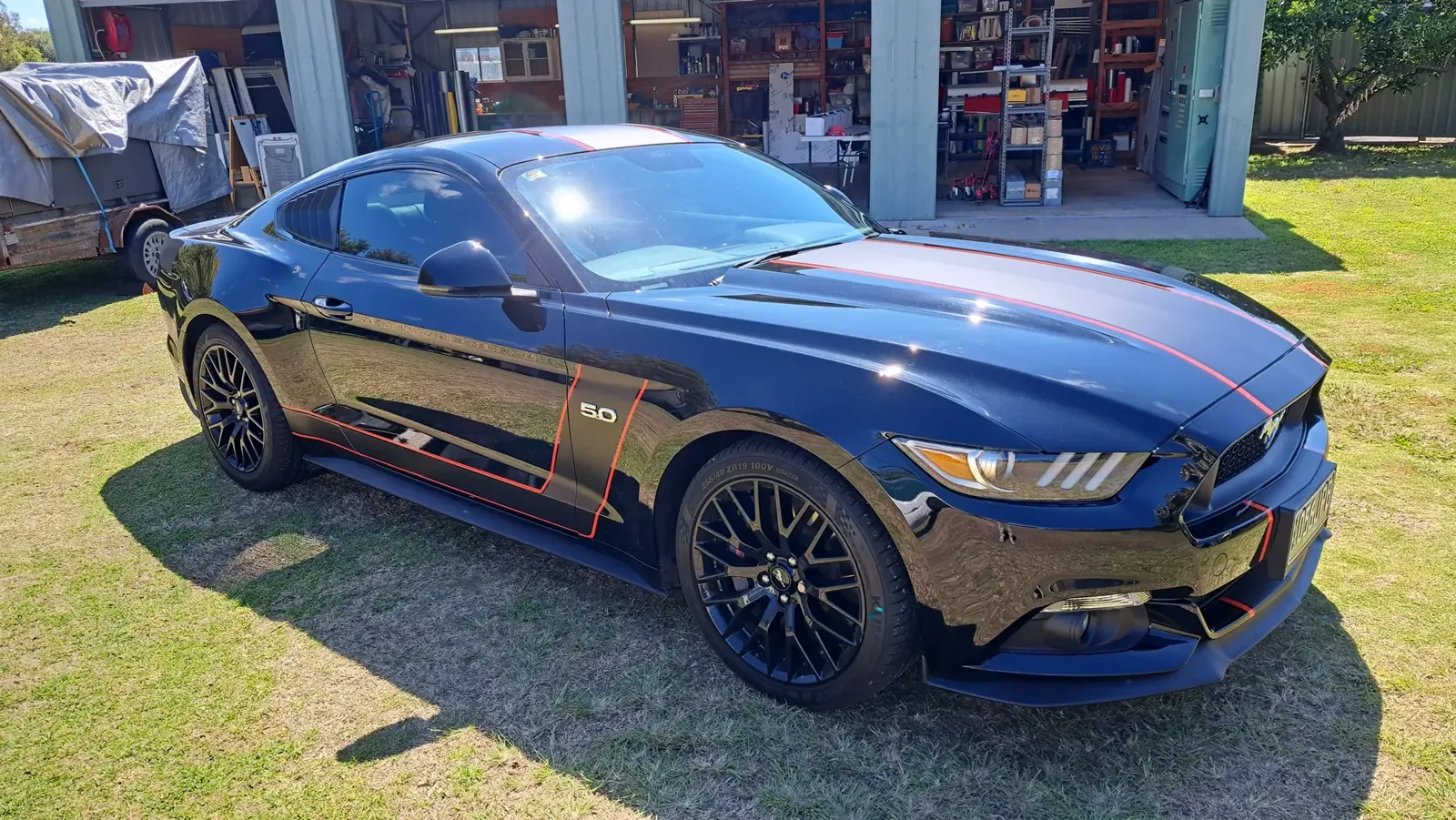
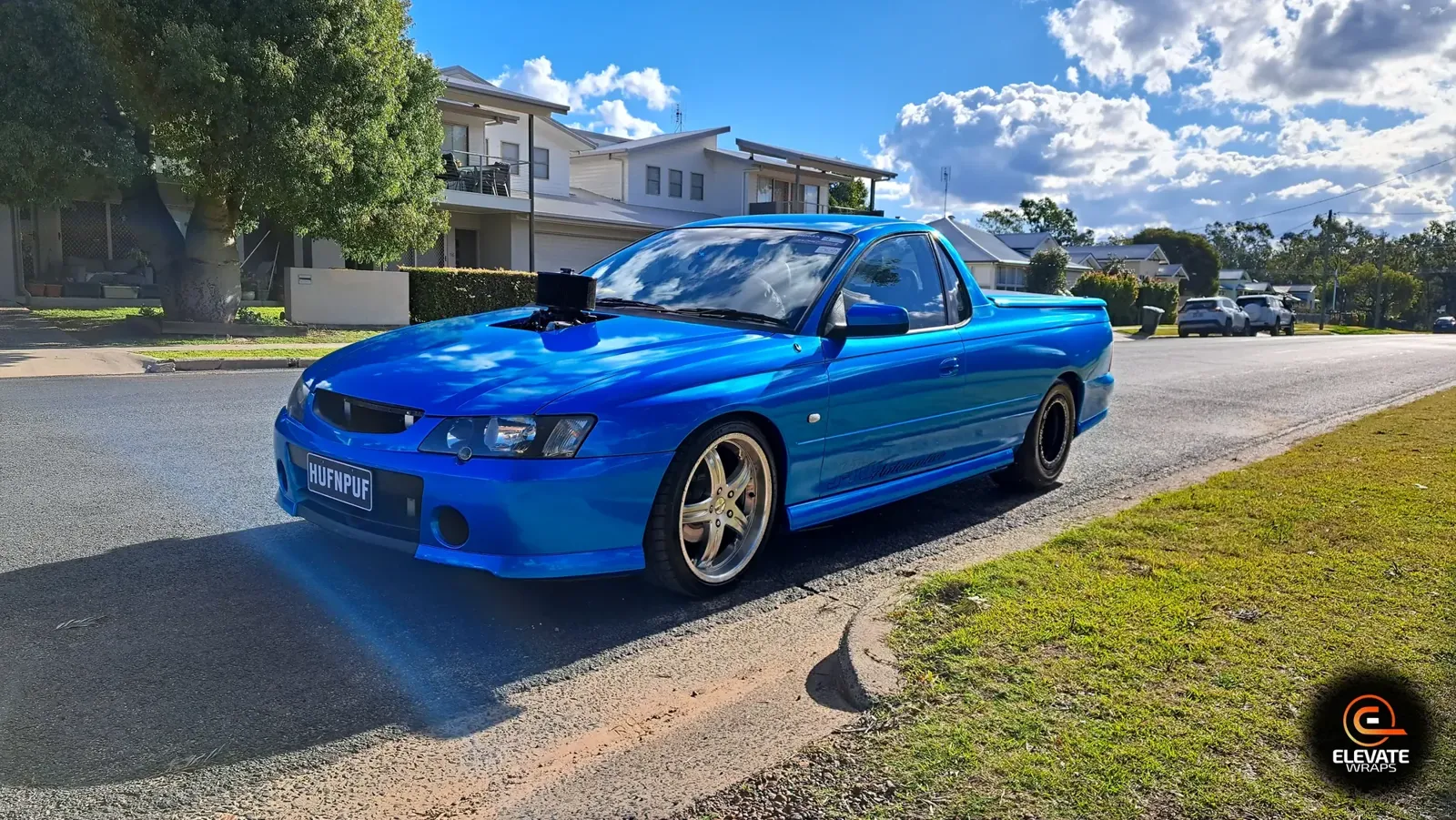
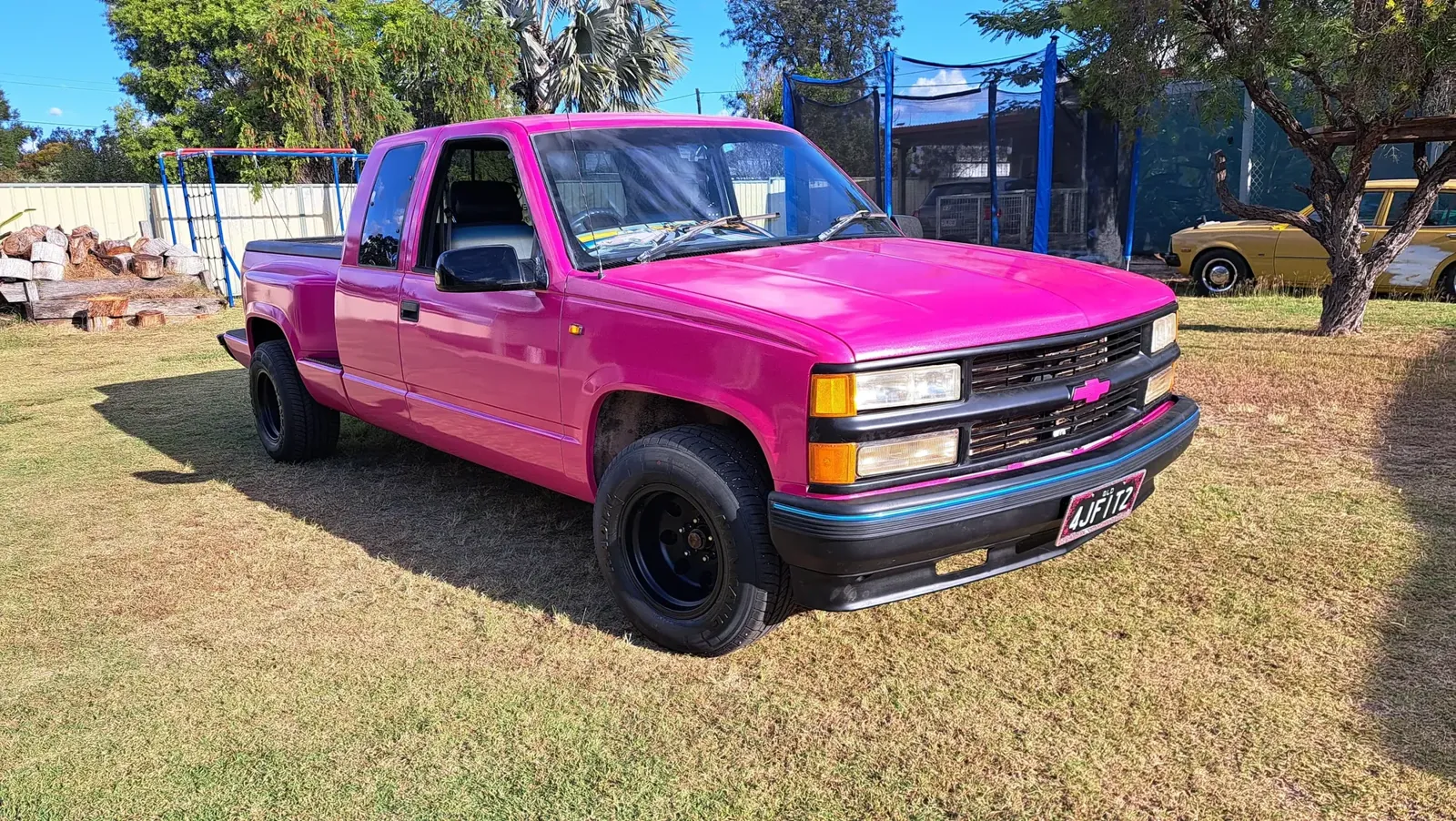
We write case studies for established businesses and organisations as a service on its own, with photos and footage of the real work. Often the most valuable piece after the website. The First Impression Review shows which of your jobs would make the strongest start, at no cost.

Something to try this week.

This week, pick the three jobs from the past two years that are closest to the work you most want to be known for. For each, write down the client type, the brief, what you did and how it turned out, in five lines. Then check whether you have good photos of each. The one with the best photos is your first case study.

References

  1. CustomerThink, summarising 6sense research (2025). [Research Round-Up] 6sense Study Provides Critical Insights on B2B Buyer Behavior. Accessed November 2026.
  2. Google Search Central (n.d.). Creating helpful, reliable, people-first content. Accessed November 2026.
  3. Business Queensland (n.d.). Writing a business capability statement. Accessed November 2026.

Questions people also ask.

Short answers that make sense on their own.

Still deciding?

No brief needed. Tell Zach what’s going on and he’ll suggest where to start.

What should a case study include?

A case study should say who the client was, what they needed, what you did, how long it took and the result, with photos or footage of the finished work. Add a short line from the client if they agree. Keep it short enough to read on a phone, with headings so a busy reader finds the result quickly.

Which jobs should we turn into case studies?

Start with the jobs closest to the work you most want to be known for. If you want more commercial work, write up commercial jobs first. A good case study needs a job you can describe in detail, a client happy to be named or described, and good photos of the finished work.

Do we need the client's permission for a case study?

Ask, every time. Most clients are glad to be featured, and many will add a line about the job. If a client prefers not to be named, describe them by type and town instead, such as a regional council in the Western Downs. Never quote a client without their agreement.

Is a case study more useful than a new website?

For many established businesses, yes. People want proof of work like theirs, and a well written case study with photos does that on any website and in any quote. If the current site cannot show case studies well on a phone, the website comes next. Often a business needs both, in that order.

Your next step

Find out which of your jobs would make the strongest case study.

The next steps Zach sends are yours to keep, whether or not we work together.

5.0 on Google, from 3 client reviews

First Impression Review

No cost · Back in 2 business days

Zach’s deep dive, with practical next steps in a short video.

  • Everywhere you’re found
  • Your market and competitors
  • What to keep and sharpen

Rather talk it through? Talk to Zach